

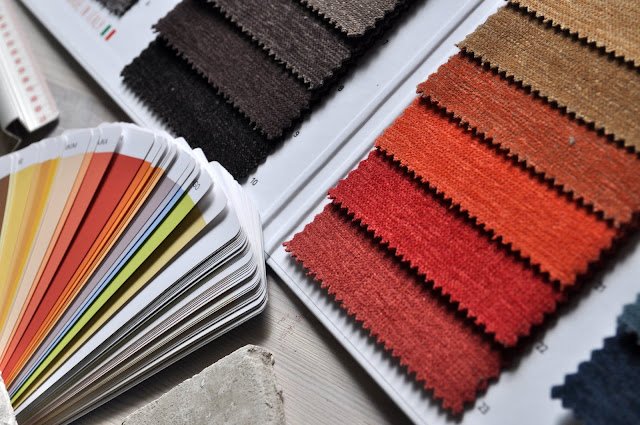
To get the new fabric shades, the buyer sends color shade reference (color standard) in Pantone color code to their suppliers (garment manufacturers/apparel buying agents). The dyed fabric color needs to be matched with the paper color code.
To develop the desired color, the dyeing master does a couple of trials in their lab. The fabric shades appeared in different shades in wet fabric and after drying the dyed fabric. Until the dyer gets the design shade, he keeps changing the dyeing recipe. You know, the shade needs to be matched in dried fabric.
You understood that the fabric lab dip is prepared for new shade development for a fabric. Normally, this lap dip is prepared by the fabric mills or a fabric dyeing plant. In a fabric dyeing plant, they do this in their sampling department (lab).
Purpose of the lab dip approval:
1. From the buyer’s perspective
When the buyer gets the correct lap dip (matching fabric color shade), they approve the fabric and ask for sample development with the original fabric and original fabric shade.
There will be always a chance of slight variation of shades in bulk fabric compared to the color standard or the approved fabric lab dip swatch. In such a case, suppliers need to take approval on all shades whether those shades can be used for making garments.
2. From fabric supplier’s or fabric dyeing plant’s perspective
There are different types of dyes used for different fabrics and different shade development. In this stage, the fabric dyeing unit knows which dyeing will be used for the bulk production. If they can develop it in their lab (sample fabric), they can ensure their customer (garment manufacturers) that in bulk fabric dyeing they can develop the same shade.







Leave a Reply