

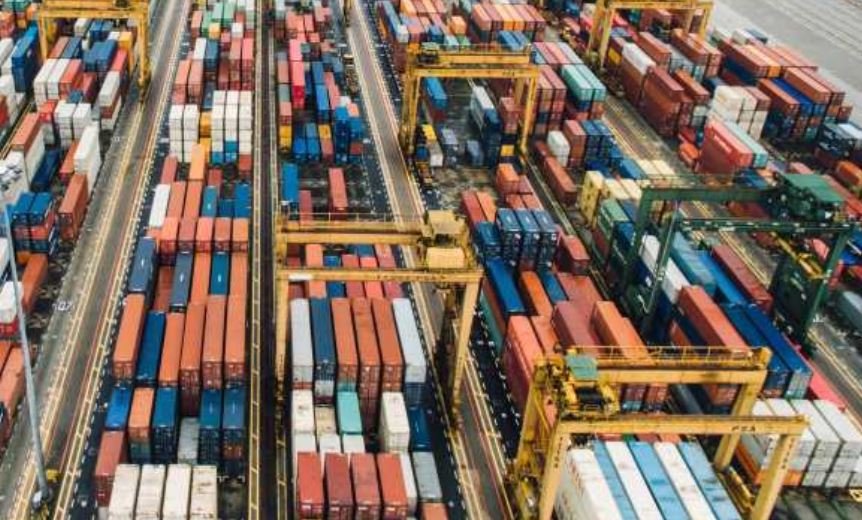
One of the biggest industries in the world, fashion supports millions of jobs through a global supply network. It is a complicated system that affects individuals all over the world. Customers are expecting more transparency from the companies they buy from as they become more environmentally conscious. In expressing and upholding these principles, supply chain management (SCM) is crucial.
The clothing supply chain is a vast, dynamic structure with thousands of stakeholders. Managing these stakeholders and ensuring quality and efficiency at all manufacturing stages can be a challenging task.
The demand from consumers, rising expenses, and a shift away from local resources have all contributed to the fashion industry’s shift toward more complex processes. For fashion businesses to minimize waste while maintaining happy customers, many factors must be taken into account.
The good news is that technology and design can collaborate to meet consumer demand.
One of us, Leonardo, founded and is the CEO of Sourcemap, a business that works with VF Corporation and some of its brands to disclose supply chain information all the way down to raw material suppliers.
Supply Chain Transparency:
The benefits of increased supply chain transparency vary depending on the business model and industry, but most businesses can profit from them. Compliance with more onerous regulations is perhaps the most obvious advantage.
The development of a mindset of continuous improvement both within the company and across value chains is necessary for supply chain transparency. It’s unlikely that the desire for transparency will decrease. It might not currently be part of anyone’s job description, but it shortly will.
Supply Chain Digitization:
In today’s fiercely competitive retail environment, digitization is a competitive advantage, particularly since 65% of quality control leaders still heavily depend on antiquated tools like spreadsheets and emails to manage their QC functions.
- Utilizing mobile applications, quality managers can instantly exchange measurements, defects, and images from inspections for real-time monitoring.
- RFID systems record and automatically transmit production data, such as information about quality, line efficiency, and factory downtime
- AI-powered models that predict retail sales in a region or during a particular season, then modify production and inventory as necessary
- In order to instantly prescribe corrective actions, advanced data analytics are used to spot supply chain trends and alert factors like underperforming suppliers or recurrent quality problems.
Related Article: Solutions to the Top 4 Biggest Fashion Supply Chain Problems
- The benefits and challenges of digitalization in supply chain management – International Journal of Production Research.
- Digitalizing the supply chain – McKinsey & Company,
- Supply chain digitalization: Disruptive technologies, key use cases, and strategic insights – Deloitte,
- Why digitalization is the key to supply chain success – Supply Chain Digital,
- Digitalization in the supply chain – SAP






Leave a Reply