

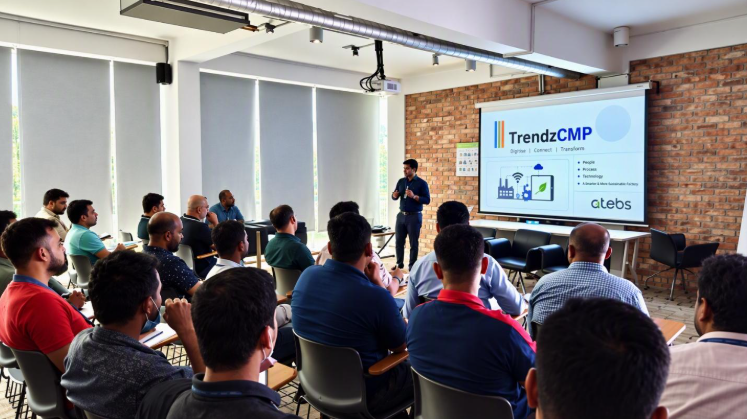
My recent visit for a digital transformation workshop made me reflect on the work that happens before an implementation team enters the factory. The apparel industry is rapidly moving toward digital transformation from manual data capturing or no data to moving production data into a centralized server through real-time production management systems and MES.
A workshop may appear to begin when the implementation team arrives at the site, meets the factory management, and starts the first session. In reality, the preparation begins several weeks earlier. It involves a structured sales handover, stakeholder alignment, workshop planning, visa arrangements, travel coordination, accommodation, and continuous communication with the customer.
Read earlier two articles on the Digital Transformation project implementation
Based on my experience over the past five years leading implementation, I have learned that this behind-the-scenes preparation is not separate from implementation. It is one of the most important parts of implementation.
The Project Starts with an Internal Handover
Once the sales contract is confirmed, responsibility for leading the project moves from the sales team to the implementation team.
This handover is a critical stage. The implementation team needs to understand what was discussed during the sales cycle, what the customer expects, and what has already been committed. Even when the agreement is clear, the implementation team must establish its own working relationship with the customer.
The sales or marketing team normally arranges an introductory meeting between the customer and the implementation team. During this session, the customer is informed that the implementation team will manage the project activities and become the primary team for the upcoming discussions.
The first meeting is usually brief. Its purpose is not to go deeply into factory processes or technical requirements. Instead, it creates a formal transition and introduces the people who will work together during the implementation.
A well-managed handover provides continuity for the customer. The project should feel like it is moving forward through one connected process, not being passed from one disconnected team to another.
Identifying the Right Customer-Side Stakeholders
After the initial introduction, we arrange another meeting involving the relevant factory representatives.
During this session, we provide an overview of the product and explain the basic workshop approach. However, one of the most important goals is to finalise the project governance structure on the customer side.
We normally need the customer to identify roles such as:
- Project Owner: The person who has overall ownership of the project from the customer’s side.
- Project Champion: The person who actively supports the project internally and helps maintain momentum.
- Single Point of Contact: The person responsible for coordinating routine communication, meetings, information requests, and follow-up activities.
At the beginning of a project, discussions may involve the customer’s head-office management, senior leadership, and factory representatives. Their participation is important because it establishes visibility and sponsorship for the project.
However, involving every stakeholder in every operational conversation is not practical. Once the customer confirms the main project owner and contact person, the implementation team can begin more focused one-to-one discussions with them. Other stakeholders can remain copied on important communication so that they continue to have visibility.
This structure makes communication more manageable while ensuring that the right people remain informed.
Moving from Introduction to Digital Transformation Workshop Planning
A few days after the stakeholder roles are finalised, we schedule another meeting to discuss the purpose of the workshop.
This conversation is necessary because a workshop should not be treated as a general visit. The customer and implementation team need a shared understanding of why the workshop is being conducted, who should participate, and how the available time will be used.
Before the workshop date is approved, we share a detailed plan with the customer. This includes the proposed agenda and the sequence of activities. The plan gives the customer time to review the schedule, identify the appropriate participants, and check whether the proposed dates are practical for the factory.
Once the plan is agreed upon, we finalise the workshop dates.
In my experience, we generally need around two to three weeks between confirming the dates and conducting the workshop. This period allows both teams to complete the required travel, administrative, and logistical arrangements.
The timeline may vary depending on the country, visa process, factory availability, and internal approval requirements.
Managing Visa and Travel Requirements
If a business visa is required, the application process begins as soon as possible after the workshop dates are confirmed.
A business visa can require several supporting documents. The exact requirements, validity period, processing conditions, and permitted number of entries vary by country.
The customer normally supports the application by providing the documents required from its side. These may be connected to the purpose of the visit and the planned business activities. The implementation team then completes the remaining application requirements according to the applicable process.
Visa planning needs careful attention. In some cases, the approved validity may cover only a specific period. In others, the traveller may receive a longer validity or multiple-entry permission. These conditions cannot be assumed in advance.
For this reason, the travel plan should remain realistic until the visa is approved. Delaying the application can put the workshop schedule at risk, particularly when several documents or approvals are required.
After the visa and travel dates are confirmed, flight tickets are booked according to the agreed schedule and the commercial arrangements between the two companies.
Coordinating Accommodation and Local Transportation
Accommodation is another area that can differ from one project to another.
If the customer has a guest house, the implementation team may stay there. If not, the customer may arrange a hotel. In some cases, the visiting team books the accommodation directly and follows the agreed reimbursement process later.
Airport transportation may also be arranged in different ways. The customer may send a vehicle, or the hotel may be asked to organise the airport pick-up.
These may appear to be small administrative details, but they can directly affect the start of the workshop. Unclear accommodation, late transportation arrangements, or an unconfirmed airport pick-up can create unnecessary stress after a long journey.
A simple checklist covering flights, visa conditions, accommodation, local transportation, contact details, and workshop timing can prevent many avoidable issues.
Arriving at the Customer’s Location
After travelling to the customer’s location, the visiting team may have some time to rest before beginning according to the agreed schedule.
The workshop does not normally start without a proper introduction at the factory. We first conduct a welcome or kick-off meeting with the key factory representatives and members of the senior management team.
This meeting brings the agreed project structure into the real factory environment. It also gives us an opportunity to meet the people who will support the workshop, confirm responsibilities, and ensure that everyone understands the purpose of the engagement.
The Project Owner and other key participants play an important role at this stage. Their visible involvement sends a clear message that the workshop is linked to a wider business initiative, rather than being treated as an isolated implementation activity.
After the welcome meeting, we begin the workshop according to the previously shared day-wise agenda.
What Five Years of Implementation Experience in Digital Transformation Workshop Has Taught Me
My experience has shown me that a workshop is only as effective as the preparation behind it.
The visible part may be the factory visit, the meetings, and the workshop sessions. However, the quality of those activities depends on decisions made earlier.
A few practical lessons stand out:
1. A Sales Handover Should Create Continuity
The customer should not have to repeat every discussion after the contract is signed. The sales and implementation teams need an organised handover that covers customer expectations, commitments, scope, and stakeholders.
2. Project Ownership Must Be Clear
Without a confirmed Project Owner, Project Champion, and single point of contact, decisions can be delayed and communication can become fragmented.
3. The Workshop Needs a Defined Purpose
A workshop should have an agreed objective and agenda. The customer needs to know which participants are required and what preparation is expected from them.
4. Logistics Are Part of Project Management
Visa applications, tickets, accommodation, and airport transportation may look like administrative work. In practice, they are project dependencies. If they are not managed properly, they can affect the entire workshop.
5. Senior Management Support Matters
When top management and factory leadership participate in the opening discussion, it strengthens project ownership and helps the working team understand the importance of the initiative.
Conclusion
A workshop for factory digitalization begins long before the implementation team walks into the meeting room.
It starts with a careful transition from sales to implementation. It continues through stakeholder identification, project governance, planning, travel preparation, and close coordination with the customer.
My recent experience in Vietnam reminded me that successful implementation work depends not only on product knowledge. It also requires planning, communication, flexibility, attention to detail, and the ability to coordinate people across different teams and locations.
These activities may happen behind the scenes, but they create the foundation for everything that follows.











Leave a Reply