

Introduction: Materials for Nursing Scrubs Uniforms
Medical scrub uniforms occupy a demanding niche within the broader readymade garment industry. Unlike most workwear categories, scrubs are laundered daily, often industrially, at facilities using wash temperatures and detergent concentrations well above what a typical home machine runs. For garment technologists, sourcing teams, and small manufacturers evaluating fabric options for this category, understanding what survives that laundering cycle is the difference between a uniform program that lasts a season and one that lasts years.
The Fabric Blend Question
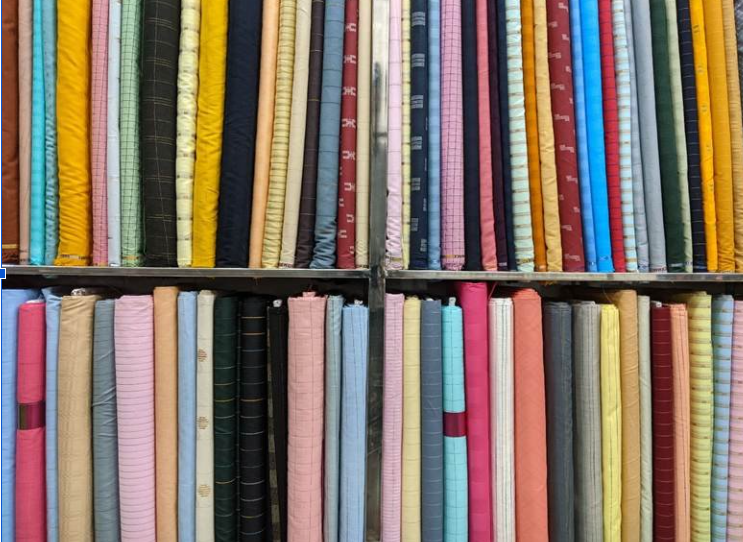
Most scrub fabrics fall into one of three broad categories: poly cotton blends (commonly around 65/35 or 55/45 polyester to cotton), 100% cotton, and performance poly spandex blends with four way stretch. Cotton heavy fabrics breathe well but wrinkle faster and shrink more under high heat industrial drying. Polyester heavy blends resist wrinkling and hold color better over repeated washing, at some cost to breathability. Four way stretch blends have become close to standard in roles involving frequent bending, reaching, and patient transfers, since they allow a closer fit without restricting movement.
What Actually Makes a Scrub Uniform Last
Across manufacturers, the industry has converged on a consistent list of variables behind durable materials for nursing scrubs uniforms. In practice, these are the factors that separate a uniform that lasts one season from one that survives several:
1. Fiber blend ratio and yarn quality, higher quality yarns resist pilling and fabric breakdown far longer than low cost, loosely spun alternatives.
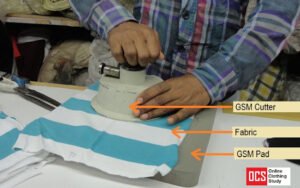
2. Fabric weight (GSM) matched to the wear pattern, too light and it thins out fast under daily washing; too heavy and it becomes uncomfortable for long shifts.
3. Colorfastness under repeated hot water and industrial laundering, fading is usually the first visible sign a fabric is degrading structurally, not just cosmetically.
4. Finish treatments, soil release, moisture wicking, and antimicrobial finishes that are bonded to the fiber rather than simply coated tend to hold up through more wash cycles.
Testing and Quality Benchmarks Worth Knowing
Standardized textile testing, colorfastness to laundering, tensile and tear strength, and dimensional stability after repeated washing, gives buyers a common language for comparing fabrics from different mills, rather than relying on a swatch feeling durable in a showroom.
Organizations like AATCC publish internationally recognized test methods for exactly these properties, and they’re not exotic tests reserved for high end apparel; they’re standard practice across the industry for any fabric expected to survive institutional laundering rather than a home washer on a gentle cycle. Specifying pass/fail thresholds for these properties at the sourcing stage, rather than after a batch of garments start failing in the field, is one of the more overlooked steps in scrub uniform production.
Construction Details That Extend Garment Life
Fabric choice only gets a garment halfway there; construction quality does the rest. Bar tacking at pocket corners and other stress points prevents the small tears that eventually widen into full seam failures. Triple needle topstitching along hems and side seams adds durability without adding bulk. On pants, reinforced inseam and crotch construction matter more than most buyers realize, since that’s typically the first area to fail under repeated movement and washing.
The garments customers keep coming back to aren’t necessarily the cheapest ones on the rack, they’re the ones where the stitching hasn’t given out after fifty wash cycles, the kind of durability retailers like A1Scrubs treat as a baseline rather than a selling point. That’s a quality control outcome as much as a design one, and it’s worth treating it that way during sourcing and spec review rather than leaving it to chance.
What This Means When You’re Sourcing or Choosing Scrubs
For buyers and facility managers evaluating scrub programs in 2026, the practical takeaway is to ask fabric and construction questions up front rather than after garments start failing. Request fiber content, GSM, and finish details from suppliers, and factor industrial laundering frequency into the decision, a fabric that performs fine in a consumer wash cycle can degrade far faster under institutional laundering.
Retailers like A1 Scrubs, which stock a range of blends and construction styles built for exactly this kind of daily wear use, are a reasonable benchmark for what a durable, working scrub uniform should hold up to.
How This Plays Out Across a Product Line
Durability requirements also shift depending on the garment type within a single scrub line. Tops generally see the most abrasion at the elbows and pocket edges from constant reaching and leaning, which is why reinforced pocket bags and higher wear resistance fabric at the shoulder seams make a noticeable difference over time.
Pants take the brunt of stress at the knees, inseam, and waistband, especially in roles involving a lot of kneeling, bending, or transfers, areas where a slightly heavier fabric weight or added stretch panel pays off even if it adds marginal cost per unit.
Jackets, by contrast, are laundered less frequently but need to hold shape and colorfastness over a longer wear cycle since they’re typically replaced less often than tops and pants. Treating each garment type as its own mini spec, rather than applying one durability standard across an entire line, is a detail that separates more sophisticated manufacturers from ones cutting corners on a single generic fabric roll.
Balancing Cost, Durability, and Comfort
None of this means every uniform program should default to the heaviest, most technical fabric on the market. A facility in a warm climate with frequent shift changes may prioritize breathability and quick dry properties over maximum tensile strength, while a program doing heavy industrial laundering at high volume will weight durability and colorfastness more heavily. The point isn’t to chase the highest spec on paper, it’s to match blend ratio, fabric weight, and finish treatment to the actual wear conditions the garment will face, and to verify those choices with real testing data rather than a supplier’s marketing copy.
Not every uniform program needs the heaviest, most technical fabric on the market, a lot depends on wash frequency, climate, and how physically demanding the role is. What’s consistent, though, is that durability in scrub uniforms comes down to the same handful of variables: blend ratio, fabric weight, seam construction, and finish treatments. Brands that treat those variables seriously, the way A1 Scrubs’ product lineup does, tend to earn repeat purchases from working professionals rather than one time buyers. Get those specifications right for the wearer’s actual conditions, and the uniform earns its keep well past its first season.






Leave a Reply