

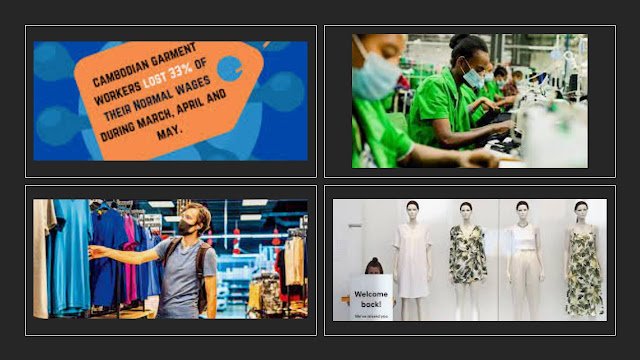
As we are into the second year of living with Covid-19, it is worth looking back to see how much things changed and what we could predict about the future of the apparel industry.
Another major eye-opening due to covid is how vulnerable the world is when the logistic industry shuts down. Due to the pandemic, sea freights and air freights almost completely stopped leaving only a few ships on the sea and few courier services with cargo planes to ferry goods between countries. Even after two years, things aren’t back to normal. Taking advantage of the situation, logistics companies that remain in the business are increasing prices regularly, making it impossible to cost the landed prices. This has opened the conversation among many buyers to explore the possibilities of making products in their home country. Where this is not possible due to cost reasons or not having necessary resources, placing orders near to home so they could avoid the delays and high costs associated with shipping.
Schoolwear was one of the major product categories for many of the apparel manufacturers in South Asia. Due to the pandemic, most of the children in Europe and the USA are still at home. In some cases, Kids only go to school a couple of days per week. Essentially, this has impacted the sales of the retailers and inevitably hit badly on manufactures.
As a result of lockdowns across the world, many private sector companies and their employees discovered the benefits of working from home. It was reported that about sixty percent of employees who worked remotely over the last two years now prefer to work from home permanently. Well-known companies that set trends across the private sector in the world, such as Google, Facebook as well as Apple, and Twitter, said that they would continue to let employees work remotely. Once this becomes the new normal, many other employers would allow this as it has some significant cost savings. While this is great for those employees who get to work remotely, it is not great news for apparel retailers and manufacturers. The number of customers who shop for office clothes, formal clothes, and evening wear will be drastically reduced as they don’t need them in the same numbers as before.
In the USA, the Biden government is actively encouraging companies to set up manufacturing plants in the country. To show how serious they are on this mission, a new law has been introduced making it mandatory to buy USA-made products for all federal purchases. Essentially this means any products that are purchased for federal agencies now have to be made in the USA. Looking from the apparel industry standpoint, this new law affects the offshore manufacturers of uniforms, logo T-shirts, workwear, and home textiles.
The current Delta variant is complicating the recovery in most of the major apparel buying countries such as the EU and the North American countries. In those countries, infected levels are rising despite high vaccination numbers in their population. Inevitably this means, it would take another three to four seasons for the apparel industry to recover.
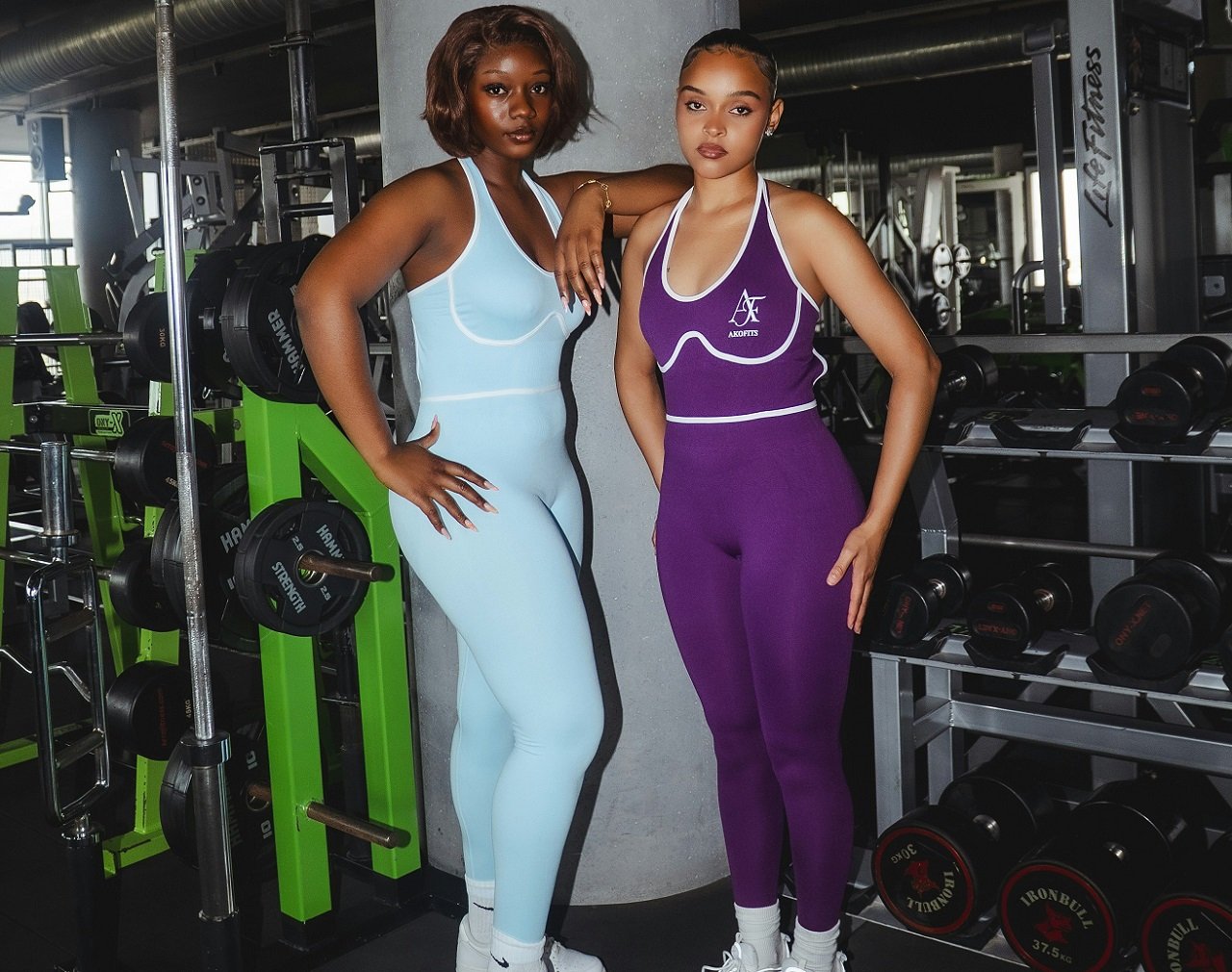
As we can see, things are not looking that great on the surface, but as the Chinese say, there is an opportunity when there is a tragedy. Notably, new markets are opening for new product lines according to the latest market research findings. It’s time to focus on new lines of comfortable cotton-based clothing items for those who work from home, new lines of home textiles as people are at home most of the day and would like to decorate their houses to be appealing. Loungewear, also another category of apparel products doing well in the high street. Having the flexibility to change to new product lines and having a good product development department would help to stay afloat during the next twelve months.






Leave a Reply