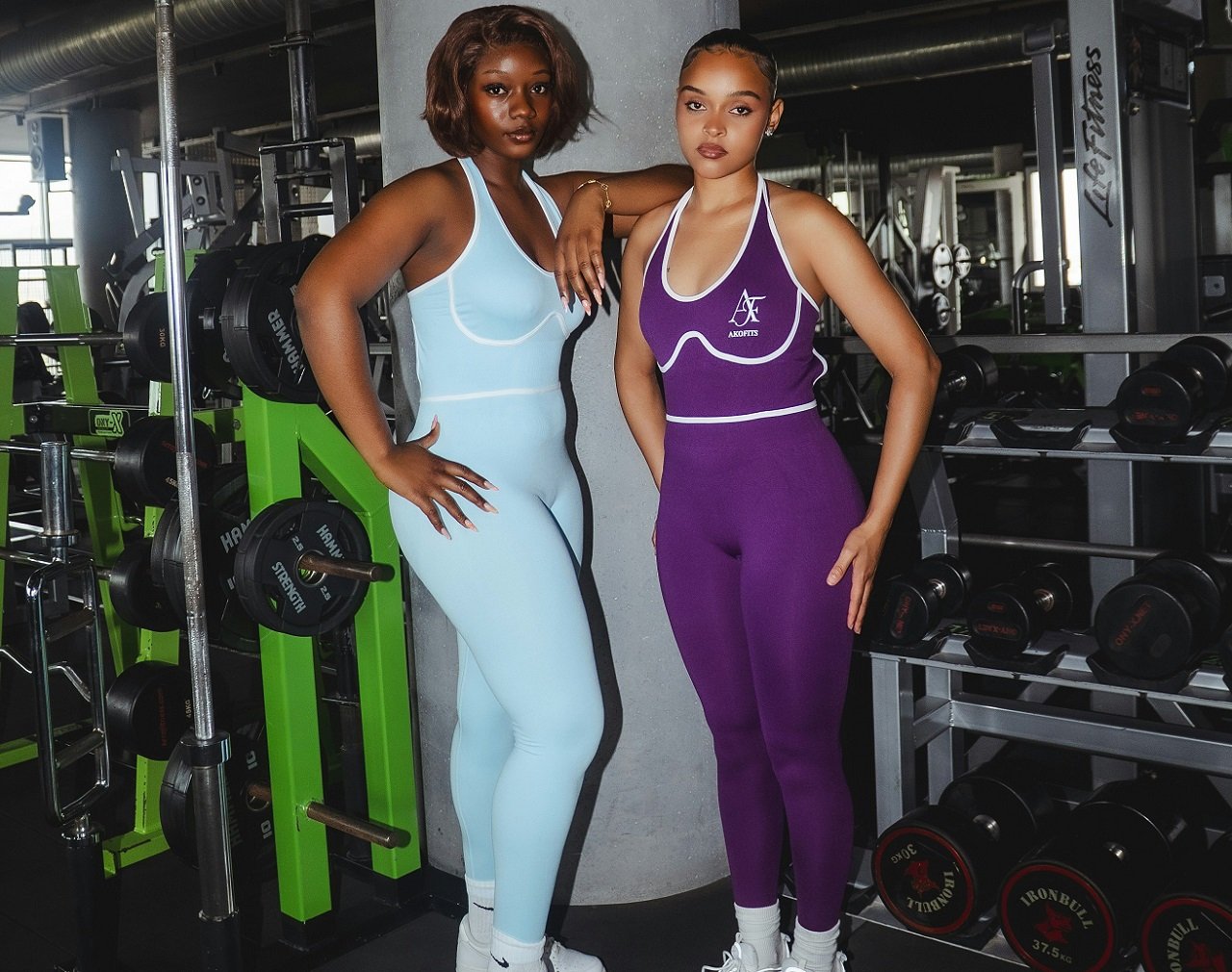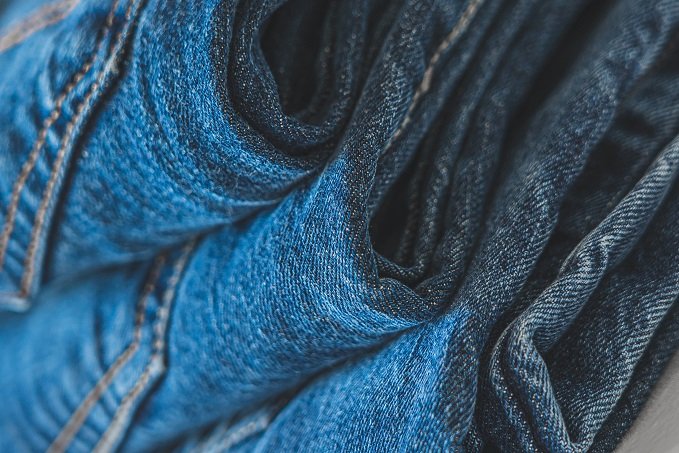

In apparel and textiles, products compete on more than function. Fabric quality, construction, proportions, color, finishing, and recognizable design all influence how customers perceive a garment. While trends can change from one season to another, brands that develop a consistent visual identity can remain relevant for much longer. Cartier provides an interesting example of this approach. Although best known for watches and jewelry, the maison has built a recognizable design language based on proportion, materials, craftsmanship, and consistency.
These principles have direct relevance to clothing manufacturers and textile businesses. A successful apparel collection needs to balance current consumer preferences with elements that make the products recognizable. This can mean developing a signature silhouette, choosing distinctive materials, refining construction techniques, or maintaining consistent details across different product categories.
Design Identity Starts With a Recognizable Silhouette
One of the strongest lessons from Cartier is the importance of shape. Its watch collections demonstrate how geometry can become part of a brand’s identity. The rectangular Tank, square Santos, and rounded Ballon Bleu each have clearly different proportions, yet their designs remain immediately associated with the same maison.
Apparel works in much the same way. A clothing brand does not necessarily need elaborate graphics or prominent logos on every garment. A distinctive cut can become just as recognizable. This might involve the shape of a jacket, the proportions of a shirt, the structure of a dress, or the way a particular garment sits on the body.
For textile manufacturers, this makes pattern development and garment construction important stages of production. Fabric needs to behave as intended after cutting and sewing, while the final garment must maintain its intended proportions. Small adjustments to seam placement, sleeve length, collar construction, or garment volume can significantly affect the finished appearance.
A consistent silhouette can also make it easier for a brand to expand its product range. The same design philosophy can influence shirts, outerwear, trousers, knitwear, and accessories without making every item identical.
Material Selection Shapes the Finished Product
Materials are another area where watchmaking and apparel have clear similarities. Cartier’s approach to precious metals, polished surfaces, gemstones, and other finishing details demonstrates how material selection contributes to the character of a finished product.
In clothing, the choice of textile performs a similar role. Cotton, linen, wool, silk, leather, viscose, polyester, nylon, and technical blends each have different characteristics. Weight, texture, stretch, breathability, durability, drape, and resistance to wear all affect how a garment performs.
The same garment pattern can produce very different results when manufactured from different fabrics. A structured cotton shirt has a different appearance and behavior from a lightweight linen version. A technical polyester fabric can be selected for moisture management and durability, while wool may be preferred for insulation and structure.
This means textile sourcing cannot be separated completely from apparel design. Designers need to understand how a material will behave during cutting, sewing, washing, finishing, and everyday use.
Craftsmanship Remains Visible in the Finished Garment
Modern apparel manufacturing uses increasingly sophisticated machinery, digital pattern systems, automated cutting, specialized sewing equipment, and quality-control processes. These technologies can improve consistency and production efficiency, but they do not eliminate the importance of craftsmanship.
Construction details remain visible to the customer. Stitch density, seam alignment, hems, buttons, zippers, collars, cuffs, and finishing techniques can influence whether a garment feels carefully made or poorly constructed.
Luxury products make this particularly apparent because customers often examine details closely. The same principle applies at different price levels throughout the apparel industry. Even a relatively simple T-shirt can demonstrate differences in fabric weight, stitching, neckline construction, fit, and finishing.
For manufacturers, quality control therefore needs to extend beyond checking whether a garment has been assembled correctly. The objective is to ensure that materials and construction work together to deliver the intended appearance and performance.
Consistency Across an Apparel Collection
Cartier has maintained different watch collections while keeping recognizable elements across its broader product range. The Tank, Santos, Ballon Bleu, Panthère, and other collections do not look identical, but they operate within a recognizable design family.
Apparel brands can apply a similar strategy when developing collections. A company may produce casualwear, formalwear, sportswear, outerwear, and accessories while still maintaining a common visual language.
Consistency might come from recurring colors, fabric treatments, hardware, stitching details, patterns, proportions, or branding elements. It does not mean every garment needs to use the same features. Instead, individual products should feel as though they belong to the same overall collection.
Textiles Can Become Part of Brand Identity
Fabric is sometimes treated as a supporting element of apparel design, but textiles can play a much larger role. A distinctive weave, surface texture, print, or finish can become associated with a particular product or brand.
Textile development can therefore become an important source of differentiation. Jacquards, embroidery, prints, knits, technical finishes, coatings, and specialized dyeing processes can all influence the identity of a collection.
Pattern and color are equally important. A recurring floral print, geometric pattern, or controlled color palette can connect separate garments within a collection. The same textile language can then appear across shirts, dresses, jackets, bags, or other accessories.
For manufacturers, this requires coordination between design and production. A textile that looks effective on a sample may behave differently when produced at scale. Color consistency, shrinkage, fabric yield, print placement, and finishing all need to be considered before a design moves into full production.
For consumers interested in how design, materials, and craftsmanship intersect across luxury products, Watchlink’s Cartier collection provides one example of how a long-established design language can be maintained across different generations and product variations.
Balancing Trends With Long-Term Design
Fashion operates on seasonal cycles, but not every successful garment needs to follow a short-term trend. Some of the most commercially useful apparel products are built around designs that remain relevant for years.
This creates a challenge for brands. They need to respond to changing customer preferences without rebuilding their entire identity every season. One solution is to keep core design elements consistent while changing fabrics, colors, details, or proportions.
A classic shirt can receive a new seasonal color. A familiar jacket can be produced in a different textile. A recurring silhouette can be updated with new hardware or finishing. This approach allows manufacturers to introduce new products without abandoning established design language.
Cartier’s history illustrates the value of this balance. Its recognizable designs have evolved through changes in materials, proportions, production techniques, and collections while maintaining identifiable characteristics.
Manufacturing Technology and Traditional Skills
Technology continues to change the apparel and textile industry. Digital design tools, automated cutting, 3D sampling, computerized embroidery, advanced knitting systems, and improved textile treatments can shorten development cycles and increase production precision.
However, technology is most effective when it supports rather than replaces good design decisions. A digital pattern does not automatically produce a well-fitting garment. Automated equipment cannot compensate for poor material selection. Efficient production cannot create a successful product if the original design does not meet the intended use.
The strongest manufacturing processes combine technology with knowledge of textiles, garment construction, fit, and finishing. This balance is particularly important as brands attempt to produce more efficiently while maintaining consistent quality.
Building Products That Last Beyond a Season
The broader lesson from Cartier is not that apparel brands should imitate luxury watch design. It is that durable product identity comes from decisions made throughout the development process.
For clothing manufacturers, that means considering the relationship between fabric, construction, fit, function, and visual identity from the beginning. A garment should not simply look appealing in a product photograph. Its textile should be appropriate for its intended use, its construction should support durability, and its design should make sense within the wider collection.
The same thinking applies to accessories and other textile products. Bags, scarves, caps, uniforms, and technical garments can all benefit from a clear design language and consistent manufacturing standards.
For the apparel and textile industry, the takeaway is straightforward: lasting products are rarely built around one feature. They result from the interaction of material selection, construction, proportion, manufacturing, and design consistency. Brands that control these elements can adapt to changing markets without losing the identity that makes their products recognizable.