

Fabric is the main component of a garment and it contributes approx 60-70% to garment cost. Hence fabric sourcing is one of the most important aspects for a garment manufacturer. Fabric sourcing is a strategic decision a garment manufacturer should take cautiously before taking a garment order. Choosing a good fabric supplier means your half job is done.
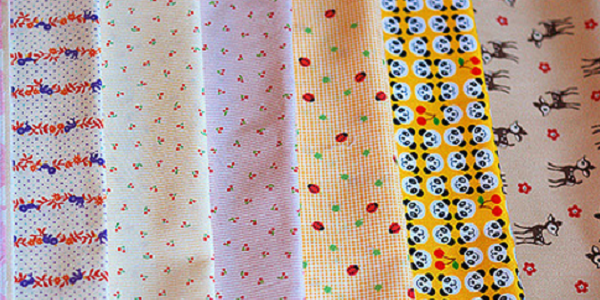 |
| Image courtesy: Grass via Flickr |
The first step for fabric sourcing is to identify the fabric quality i.e.
- Woven or knits
- Solid, Prints or yarn-dyed,
- Count-construction, GSM, weave
- Content e.g. Cotton, Viscose, Polyester. etc.
After analyzing the fabric quality, the next step is to identify a supplier who can offer the quality at the best price. Though the price is the most important parameter for supplier selection, one should consider the other aspects also like lead time, quality parameters required, supplier’s performance in past orders in terms of delivery commitment, quality of fabric delivered, their response to quality issues, etc.
So now the question is from where do I source fabric?
It depends on fabric quality and sometimes on the end buyer. Some buyers want better quality and are willing to bear extra costs for that. Some buyers especially who are doing big volume business, give very tight costing target and in that case, garment manufacturer has to find out the cheapest source.
1. Delhi and Delhi-NCR (Around Delhi)
Suppose you are looking for regular quality like 80s voile, 60s cambric, 40s poplin, 30s rayon, Rayon crepe etc. in solid and print then you can purchase from Delhi-NCR region at cheaper rate.
For knits fabric, there are some mills like Gupta Exim, Richa, Mercury knits in Delhi-NCR having a good capacity for knits fabric.
2. South India (Salem, Erode)
If you are looking for yarn-dyed fabrics at a cheaper rate, then South sector like Salem, Erode is a good option.
3. Tirupur
For knits fabric sourcing Tirupur is the hub.
4. Surat
Similarly, for any kind of polyester fabric, Surat is the hub in India. Though there are some mills in Delhi-NCR doing polyester qualities.
5. Jaipur
6. Souring from Mills
Most garment exporters source greige fabric and then get dyed/printed (job work) in the local mill which gives a price advantage.
7. Importing fabrics from China
Additional information. There are some qualities like silk, linen, polyester for which China is still given preference over India. Advantages of sourcing from China are a better price, higher productivity, and better quality.
Fabric sourcing is the heart of the apparel business. So you should take care of selecting the right fabric suppliers for your orders.
About Pulak Debnath:
Pulak Debnath has worked at Orient Craft Ltd as Manager- fabric sourcing. He holds M.Tech from IIT Delhi in textile engineering. He also worked at Shahi Exports and Welspun India Ltd.










Leave a Reply