

Fabric fusing plays a critical role in modern garment manufacturing. It is widely used to enhance the structure, durability, and appearance of garments, especially in products such as shirts, jackets, and uniforms.
When done correctly, fabric fusing not only improves product quality but also contributes to better production efficiency. This article explains how fabric fusing works and why it is essential in garment production.
What is Fabric Fusing?
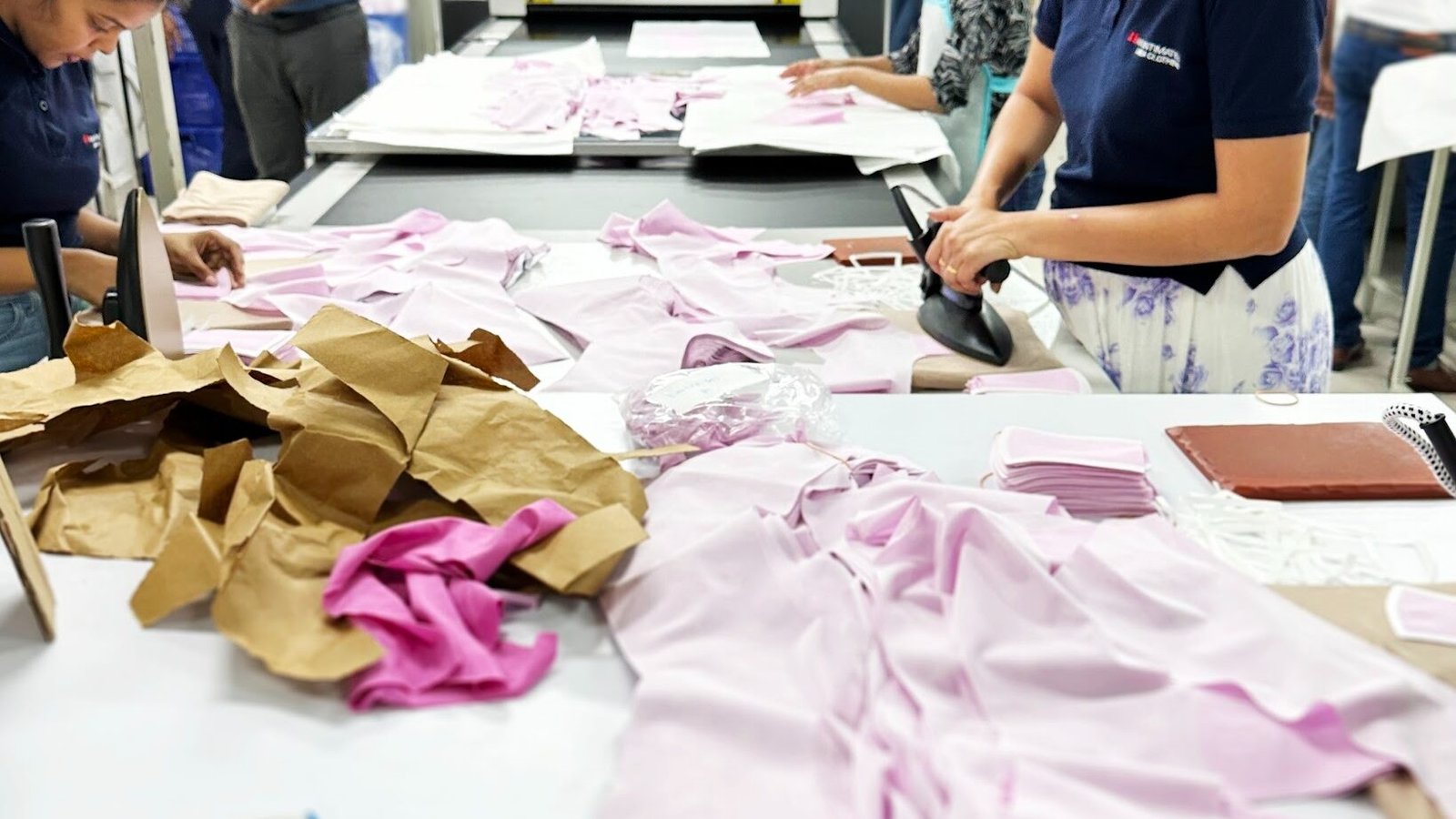
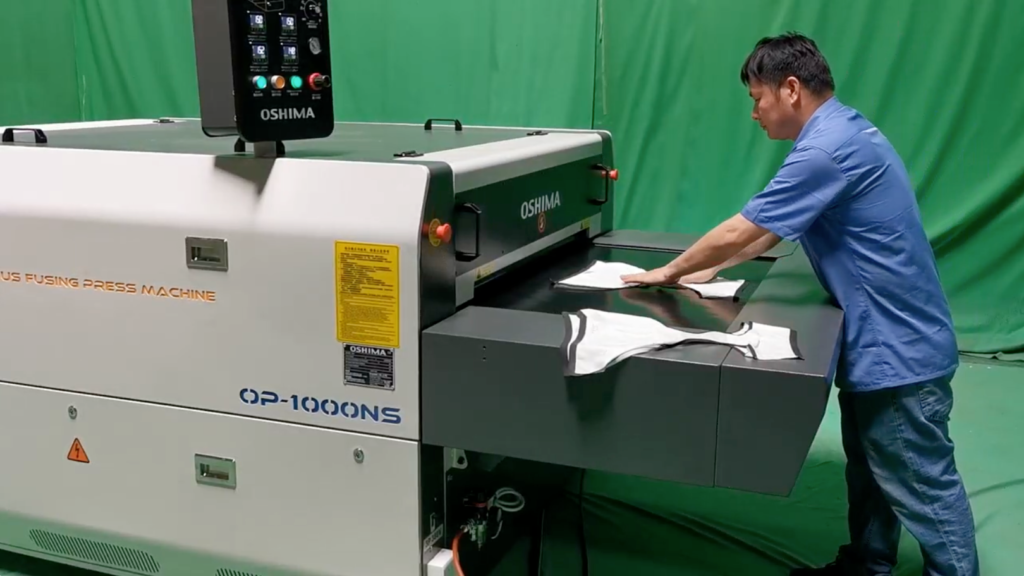
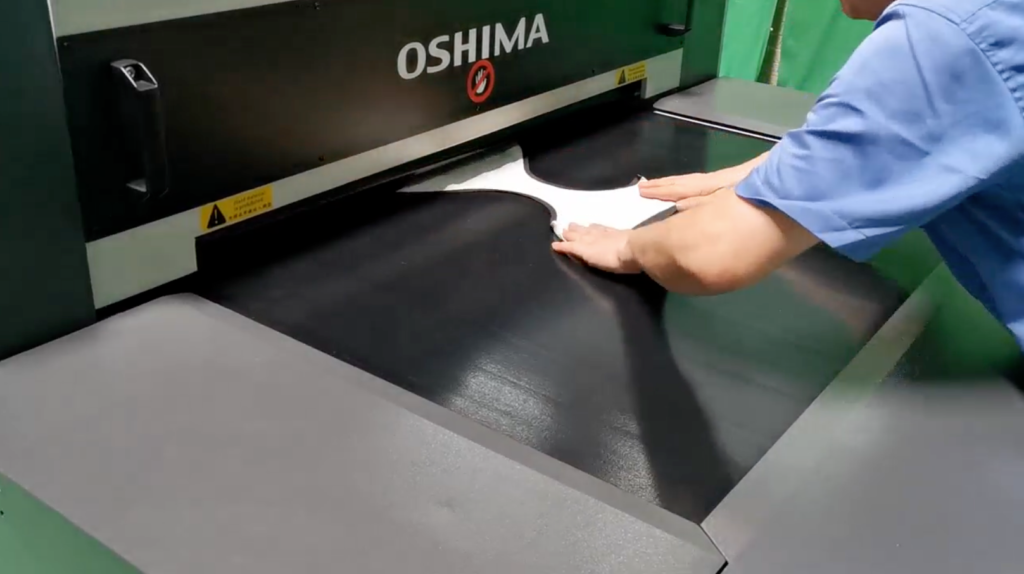
Fabric fusing is a process where an interlining material is bonded to the main fabric using heat, pressure, and time. The interlining typically contains a thermoplastic adhesive that melts under controlled conditions and bonds with the fabric surface.
This process is commonly applied to areas that require additional support, such as collars, cuffs, waistbands, and plackets.
Key Parameters in the Fusing Process
To achieve consistent results, three main factors must be carefully controlled:
1. Temperature
The adhesive resin must reach the correct melting point to ensure proper bonding. Insufficient temperature leads to weak adhesion, while excessive heat may damage the fabric.
2. Pressure
Uniform pressure ensures that the adhesive spreads evenly across the fabric surface, preventing air gaps or uneven bonding.
3. Time
Adequate dwell time allows the adhesive to fully penetrate and bond with the fabric. Too short may result in poor bonding, while too long can affect fabric quality.
Understanding Fabric Fusing Challenges
Before exploring the benefits, it is important to understand the potential challenges in the fusing process. Improper control of temperature, pressure, or time may affect bonding performance and lead to quality issues in the final garment.
In some cases, excessive heat or pressure may cause the adhesive resin to migrate beyond the intended bonding area. This may result in defects such as resin appearing on the back or front side of the fabric, commonly referred to as “strike back” and “strike through.”
Strike Back
Strike back occurs when the adhesive resin penetrates through the interlining and reaches the back side of the fabric. This is often caused by excessive heat, pressure, or prolonged bonding time.
When this happens, the back surface of the fabric may feel rough or slightly hardened, which can affect the fabric’s hand feel and flexibility. In some cases, it may also lead to unintended adhesion between layers during production.
Strike Through
Strike through occurs when the adhesive resin migrates all the way to the front side of the fabric. This is typically the result of excessive process conditions or unsuitable material combinations.
This defect is more visible, as it may create marks, stiffness, or shine on the fabric surface. These changes can negatively impact the garment’s appearance and wearer comfort.
Proper control of fusing parameters is essential to prevent these issues. Maintaining the right balance of temperature, pressure, and time, along with selecting compatible interlining and fabric materials, can help ensure stable bonding results.
Regular process monitoring and testing are also important to maintain consistency, especially when working with different fabric types.
How Fabric Fusing Improves Garment Quality
1. Enhanced Shape Retention
Fused components maintain their structure over time, preventing deformation after repeated wear or washing.
2. Improved Appearance
Fusing helps create a smoother and more refined surface, especially in visible areas like collars and front panels.
3. Increased Durability
Bonded layers provide additional strength, reducing the risk of wrinkles, distortion, or fabric fatigue.
How Fabric Fusing Improves Production Efficiency
1. Consistent Quality Output
Controlled fusing processes help reduce variations and ensure stable, repeatable results.
2. Reduced Rework and Defects
Proper parameter control minimizes bonding issues that may otherwise require rework.
3. Faster Processing
Continuous fusing systems allow for higher throughput and smoother workflow integration in garment production.
Conclusion
Fabric fusing is more than just a supporting process in garment manufacturing. It directly affects product quality, durability, and production efficiency.
By controlling key parameters and optimizing the process, manufacturers can achieve consistent results while improving overall production performance.
Reference Link
https://www.oshima.com.tw/blog/what-are-fabric-fusing-machines-and-how-do-they-work









Leave a Reply