


In the fashion and apparel industry, selecting the right manufacturing vendor is one of the most critical decisions for any buying house, retail brand, or sourcing agency. A single wrong choice in vendor selection can lead to quality rejections, delayed shipments, brand reputation damage, or heavy financial loss.
Buying house sourcing experts follow a disciplined evaluation framework when onboarding a new vendor. Rather than looking only at price or factory size, they evaluate a supplier across eight key operational, financial, and ethical parameters.
In this article, I have shared 8 key criteria buyers use for selecting apparel suppliers and vendors. Here is a detailed breakdown of the primary criteria fashion buyers use to evaluate and select new suppliers for our merchandise range.
1. Product Capability: Can They Execute Your Product Category?
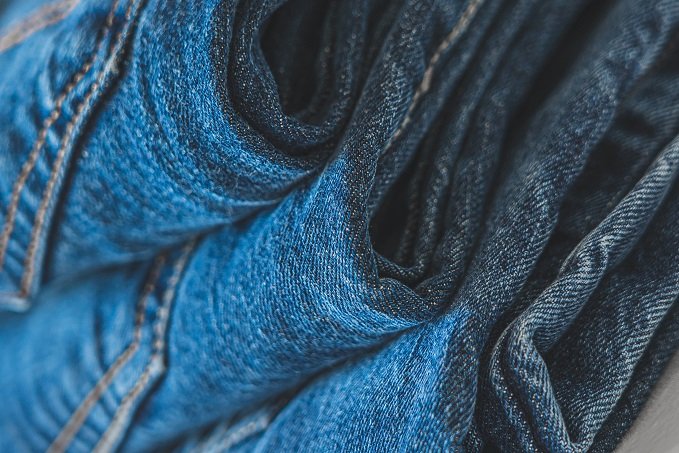
The apparel manufacturing industry is highly specialized. A factory setup designed for heavy-duty denim jeans or outerwear will struggle to produce delicate knitwear, ladies’ intimate wear, or embellished formal shirts efficiently.
Before diving into price discussions, sourcing managers verify whether the supplier’s core expertise matches their specific product requirement. They assess:
- Machinery setup: Do they have specialized machines (e.g., flatlock, seam sealing, automatic pocket setters) needed for the product?
- Workforce skill sets: Are the sewing operators experienced in handling specific fabrics like light silks, high-stretch knits, or heavy canvas?
- Factory layout: Is the production flow optimized for woven, knit, or leather items?
Selecting a vendor whose core capability aligns directly with your merchandise line reduces execution risks right at the beginning.
2. Quality Management System: Ensuring Consistency in Bulk Execution
Quality is non-negotiable in global retail sourcing. Buyers evaluate not just the golden pre-production sample submitted to their office, but the entire Quality Management System (QMS) deployed across the factory floor.
Key aspects checked by buying house experts include:
- Raw material inspection: Do they follow standard fabric inspection systems (such as the 4-Point System) and trim checking protocols?
- In-line and end-line quality checks: How frequently do internal quality auditors check semi-finished garments on the sewing line?
- AQL standards: Does the factory strictly follow standard Acceptable Quality Limit (AQL 1.5 / AQL 2.5) inspection standards before packing?
A factory with a strong internal quality management process ensures that bulk production matches approved standards consistently without constant buyer intervention.
3. Price & Costing Structure: Achieving Commercial Competitiveness
Competitive pricing is vital for maintaining retail profit margins, but experienced buyers look far beyond the lowest quote. A price that is unnaturally low often signals future compromises in fabric quality, factory compliance, or worker wages.
Buying houses expect transparent, open-costing structures covering:
- CMT (Cut, Make, and Trim) costs
- Raw material (fabric & trims) costs
- Washing, processing, and embellishment costs
- Logistics and packaging costs
Sourcing experts evaluate whether the vendor’s price is fair, commercially competitive against market benchmarks, and sustainable for the factory to deliver quality goods without running into financial distress midway through production.
4. Production Capacity & Scalability: Matching Demand and Floor Space
Understanding a factory’s production capacity is crucial to avoiding delivery bottlenecks. Sourcing teams analyze both total factory capacity and available line capacity dedicated to their order volume.
Key evaluation questions include:
- How many active sewing lines and operators does the factory run daily?
- What is the monthly production output (e.g., in pieces or dozens)?
- Will your order receive dedicated line space, or will it be pushed aside for larger, higher-value clients?
Overbooked factories frequently resort to unauthorized subcontracting or suffer severe production delays. Sourcing experts prefer vendors with adequate, scalable floor capacity who can easily absorb seasonal demand spikes.
5. Delivery Performance: Timeliness in Execution
In fashion retail, missing a shipment deadline means missing a retail selling season. Delayed deliveries result in heavy air-freight costs, retailer chargebacks, or order cancellations.
Buying house teams evaluate a vendor’s historical On-Time In-Full (OTIF) performance record:
- Has the factory met past delivery commitments consistently?
- How reliable are their local and imported raw material supply chains?
- Do they maintain realistic line planning and production scheduling?
A supplier with a proven track record of timely delivery demonstrates disciplined factory management and dependable operations.
6. Compliance & Ethics: Social, Legal, and Environmental Standards
Modern global brands and buying houses strictly enforce compliance standards to protect themselves from ethical, legal, and brand reputation risks. A non-compliant factory can ruin a brand’s market standing overnight.
Before issuing purchase orders, buyers perform thorough compliance audits covering:
- Social compliance: Fair wages, reasonable working hours, prohibition of child/forced labor, and safe working conditions (e.g., BSCI, SEDEX, WRAP certifications).
- Factory safety: Building structural stability, fire safety systems, electrical safety, and emergency exits.
- Environmental compliance: Proper Effluent Treatment Plants (ETP) for washing/dyeing operations, safe chemical handling (REACH / ZDHC standards), and eco-friendly waste management.
7. Product Development & Innovation Capability: R&D Support
A strategic vendor does not simply follow buyer tech packs passively; they act as a creative partner who drives innovation into the next development cycle.
Buying house experts highly value suppliers who demonstrate strong sampling and R&D capabilities:
- Proactive presentation of new fabric structures, yarn blends, and wash effects.
- Fast pattern-making turnaround and quick sample development.
- In-house design teams offering market-ready trend inputs for upcoming seasons.
Suppliers with strong development capabilities help brands stay ahead in rapid fashion cycles.
8. Communication & Merchandising Support: The Eyes and Ears on the Ground
Effective communication is frequently the deciding factor between a smooth sourcing partnership and a stressful operational experience. The vendor’s factory merchandising team serves as the direct link between the buyer and the factory floor—acting as the buyer’s true “eyes and ears.”
Sourcing managers assess:
- Responsiveness: How quickly does the team respond to emails, tech pack updates, and approval requests?
- Proactive communication: Do they highlight material delays, pattern fit issues, or shade lot variations immediately with actionable solutions?
- Language and technical clarity: Does the team understand garment tech packs, trim sheets, and buyer compliance guidelines thoroughly?
A proactive, transparent factory merchandising team ensures smooth execution and eliminates unexpected surprises during production.
Summary
Selecting an apparel vendor is a strategic balancing act between product capability, quality assurance, fair pricing, capacity, delivery timeliness, ethical compliance, R&D innovation, and clear communication. When a factory checks all eight of these boxes, buying houses and retail brands gain a long-term, reliable manufacturing partner.




Leave a Reply