

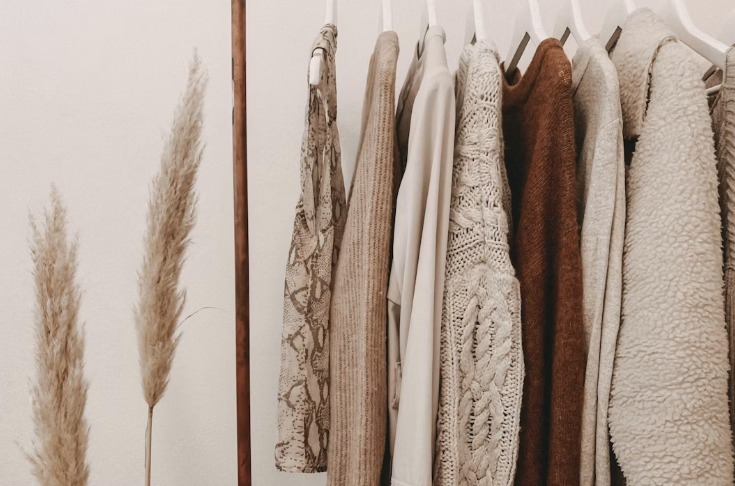
Buying clothes can be surprisingly easy to get wrong.
You see a cheap shirt online, like the colour, check the price and think, “Why not?” A few weeks later, the stitching starts coming loose. The fabric feels different after several washes. Eventually, it ends up at the back of the wardrobe, barely worn.
Then you buy another one.
It is not always about spending more money. Sometimes, buying fewer clothes that you genuinely like and expect to wear can make far more sense.
Cheap Does Not Always Mean Better Value
Price is usually one of the first things people look at when shopping for clothes. That is understandable, particularly when budgets are tight.
But the cheapest item is not necessarily the best bargain.
A £15 jumper that survives for years may be better value than a £7 jumper that loses its shape after a handful of washes. The same applies to trousers, coats, shoes and everyday basics.
Quality does not mean every item needs to be expensive. It means paying attention to things such as fabric, stitching, fit, fastenings and how well the garment is likely to cope with regular use.
That extra bit of thought before buying can save money later.
A Smaller Wardrobe Can Be Easier to Manage
There is also something satisfying about opening your wardrobe and knowing that most of what you see is something you actually enjoy wearing.
You do not need dozens of similar tops or three versions of the same jacket.
A smaller collection of dependable clothes can make getting dressed easier. A good pair of trousers can work with several shirts. A neutral jumper can be worn casually or dressed up. A well-made jacket might work across several seasons.
It becomes less about constantly finding something new and more about getting more use from what you already own.
Better Clothes Can Mean Less Waste
There is another side to buying better-quality clothing that is easy to overlook.
When clothes wear out quickly, they have to be replaced more often. That can create more waste over time. Packaging, unwanted garments and other household rubbish can also build up when people regularly clear out things they no longer use.
Choosing durable clothing is one small way of changing that pattern.
Of course, nobody needs to keep every unwanted item forever. Sometimes a wardrobe needs a clear-out. When larger amounts of unwanted household material need dealing with, practical waste solutions can help too. For example, anyone researching GD Environmental Cardiff can find information about skip hire when a larger clean-up creates more waste than a normal household collection can handle.
The bigger idea is simple: think about what you buy, how long you will use it and what happens when you no longer need it.
Learn to Look Beyond the Label When Buying Clothes
A familiar brand name does not automatically mean something is well made.
Before buying clothes, take a closer look.
Check the seams. Feel the material. Look at the buttons and zips. If you are shopping online, read reviews from people who have owned the item for a while rather than relying only on photographs.
Fit matters too.
A beautifully made piece that you never wear because it feels uncomfortable is not particularly useful. The best clothing is usually the stuff that combines durability with something much simpler: you actually want to put it on.
Think About Cost Per Wear
One useful way to judge clothing is to think about cost per wear.
Imagine spending £60 on a jacket that you wear twice a week for three years. Compare that with buying a £25 jacket that looks good initially but needs replacing every few months.
The original price tells only part of the story.
A well-chosen item can become one of those dependable pieces you reach for without thinking. That is often where the real value is.
Buy With a Little More Intention
Nobody needs to completely change the way they shop.
The next time you are tempted by a bargain, pause for a moment.
Do you already own something similar? Will you still like it next year? Does it fit properly? Is the material likely to hold up? Most importantly, can you imagine wearing it regularly?
Sometimes the answer will be yes. Buy it.
Other times, you will realise you simply liked the price.
That small pause can make a surprising difference. Buying fewer, better clothes is not about having a perfect wardrobe. It is about choosing things with a little more care, getting more use from them and creating less unnecessary waste along the way.




Leave a Reply