
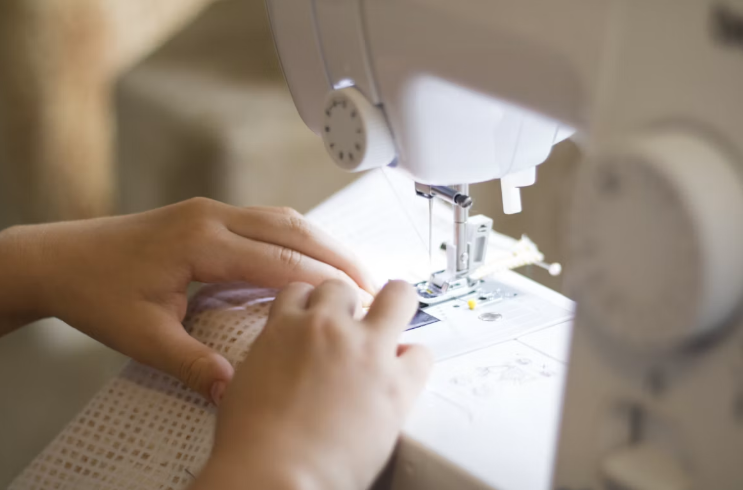
A piece of clothing can look simple when it is hanging on a shop rail.
A shirt, dress, jacket or pair of trousers might seem like nothing more than fabric cut into a particular shape. Yet behind that finished garment is a surprising amount of work. Measurements need to be right, pieces have to be cut carefully, seams need to line up, and small mistakes can affect the way the entire garment fits.
This is where sewing skills still matter.
Even as clothing production becomes more advanced, people with practical sewing knowledge remain an important part of making garments properly.
Sewing Is About More Than Joining Fabric
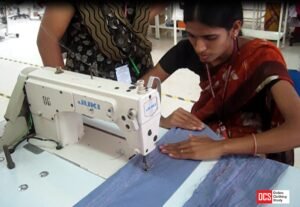
At first glance, sewing sounds straightforward. Put two pieces of fabric together and stitch them.
Anyone who has tried it knows there is more to it.
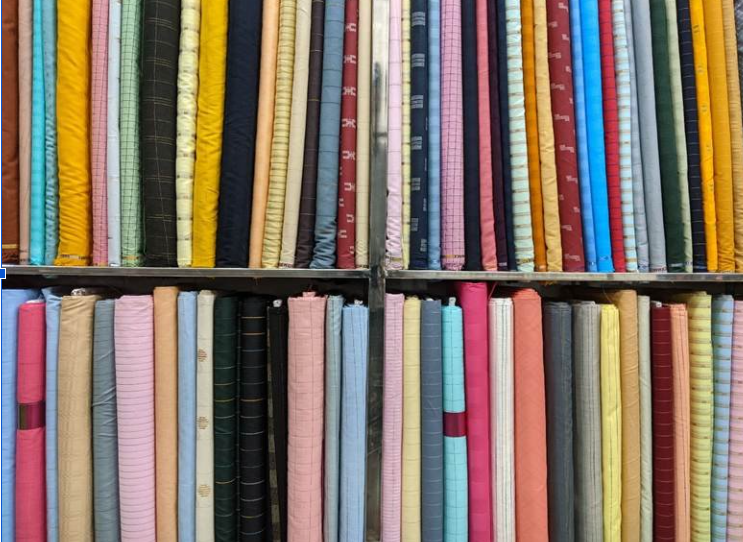
Different materials behave differently. Some stretch, some fray easily, while others require careful handling. The type of stitch matters too. A seam on a lightweight blouse may need a different approach from one used on a heavy jacket.
Good sewing involves patience and attention to detail.
A skilled person can spot uneven stitching, poorly matched edges or tension problems before they become bigger issues. That can make a real difference during production.
Precision Helps Create Better-Fitting Clothes
Nobody enjoys wearing something that feels poorly made.
A sleeve that sits awkwardly, a waistband that does not line up properly or a seam that twists after washing can turn an otherwise attractive garment into something that stays at the back of the wardrobe.
Sewing skills help manufacturers avoid these problems.
Accurate measurements and careful stitching contribute to better-fitting garments. Even tiny adjustments can affect the final result. When those details are handled properly, clothing tends to look cleaner and feel more comfortable.
That is especially useful when producing large quantities, where a small problem repeated across hundreds of garments can become a significant issue.
Practical Skills Start With Learning
Not everyone who learns to sew will go into clothing manufacturing. That is not really the point.
Learning practical skills can teach people how to work carefully, solve problems and turn an idea into something tangible. Sewing happens to be a particularly good example because the result is right there in front of you.
You make a mistake. You unpick it. Try again.
That process can build patience in a way that is difficult to learn from a textbook alone.
Schools also have an important role in helping young people discover practical interests alongside academic subjects. A broad education can expose students to different ways of thinking and working, whether their future interests involve design, technology, engineering, crafts or something completely unexpected. Families exploring options for a school in Edgbaston can consider the wider value of an education that encourages curiosity and the development of different skills.
Better Skills Can Mean Less Waste
Sewing knowledge can also contribute to reducing clothing waste.
When a garment is poorly constructed, it may not last very long. Loose seams, damaged hems and weak stitching can shorten its useful life. A well-made garment, on the other hand, has a better chance of staying in someone’s wardrobe for years.
And sewing is not only useful during manufacturing.
Knowing how to repair a loose button, reinforce a seam or alter a garment can give old clothes another chance. A small repair can sometimes save an otherwise perfectly usable item from being thrown away.
That is a valuable habit.
Technology Has Not Made Sewing Skills Irrelevant
Modern clothing production uses machinery, automation and computer-controlled equipment, but technology does not remove the need for people who understand how garments are constructed.
Someone still needs to understand fabrics, patterns, measurements, stitching and quality.
Machines can improve speed and consistency. Skilled people provide judgement.
The two work together.
A Skill With Lasting Value
Sewing may not always receive much attention when people talk about modern manufacturing, but its role is easy to see once you look closely.
Good clothing depends on careful construction. Careful construction depends on knowledge and precision.
Whether someone learns sewing as a career skill, a creative hobby or simply a useful ability to have at home, the lessons are much the same: pay attention, take your time and do not be afraid to fix a mistake.
Those are useful skills far beyond the sewing machine.