
1. Introduction:
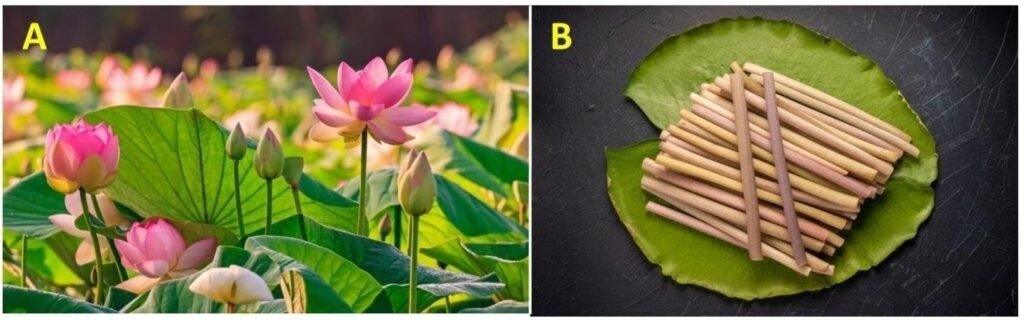
Lotus silk is a natural fibre extracted from waste lotus stems.
The Indian Lotus, also known as the Sacred Lotus and the National Flower of India, is a powerful symbol of purity, wealth, and knowledge. It is a truly remarkable plant because every part of it—from the roots to the petals—is useful, making it a valuable resource for food, medicine, and industry. While its nutrient-rich seeds and roots are eaten as healthy vegetables, its leaves and flowers are used in skincare and traditional healing.
One of its most amazing features is the fiber found inside the stems, which are used to create a rare “lotus silk” that is naturally breathable and antibacterial. Unlike synthetic fibre, lotus fiber is eco-friendly, healthy and biodegradable, yet it is strong enough to last for decades. This makes the lotus a perfect example of a sustainable, renewable plant that supports both the environment and the economy.
2. Use of lotus plant
The lotus plant is used in every part, from the root to the flower, for distinct purposes. The nutrient-dense roots and seeds are used as a popular food source rich in fiber and antioxidants, while the leaves and petals are widely used in traditional medicine and skincare for their cooling and anti-inflammatory properties. Lotus stems yield rare, high-quality fibers used to produce high-quality textiles.
3. From Waste to Wealth:
Traditionally, lotus farmers earned income primarily from two sources: selling the flowers for religious offerings and harvesting the seeds or roots for food. Generally, the long, sturdy stems were left to rot in ponds, creating a waste management challenge. Today, that ‘waste’ is the raw material for Lotus Silk, one of the rarest and most expensive fibres in the world.
4. Lotus Silk Fibre Extraction Process:
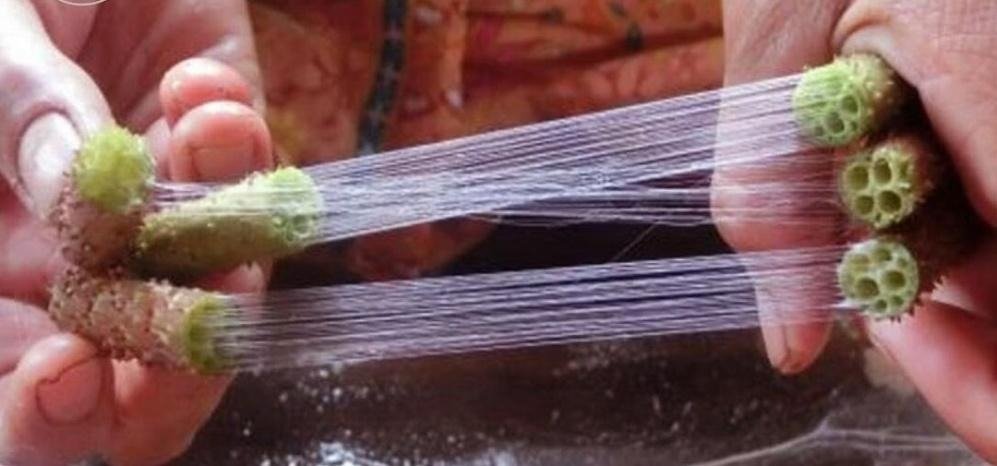
Lotus fibre is extracted from the stem of the lotus plant and has become increasingly popular in recent years due to its sustainability, versatility and durability. The lotus plant has a stem that is composed of long, slender fibres that are known for their strength and durability. The process of extracting lotus fibre is a painstaking one that requires a great deal of skill and patience. First, the stems of the lotus plant are harvested and then cut into thin strips. These strips are then soaked in water for several days to soften them and make them more pliable.
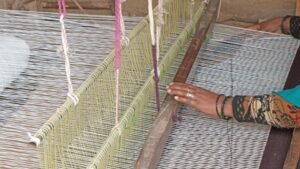
After the strips have been soaked, they are carefully separated into individual fibres using a small tool known as a spindle. This is a time-consuming process that requires a great deal of skill and patience, as the fibres must be separated without breaking them. Once the fibres have been separated, they are then spun into thread using a spinning wheel or a hand spindle. The resulting thread is then woven into fabric using a traditional loom.
5. Fibre Property:
- Diameter: Lotus fibre is multi-filament structure, with a diameter of around 6 to 8 microns.
- Length: The length of lotus fibers can vary, but they are typically around 15 to 20 cm long.
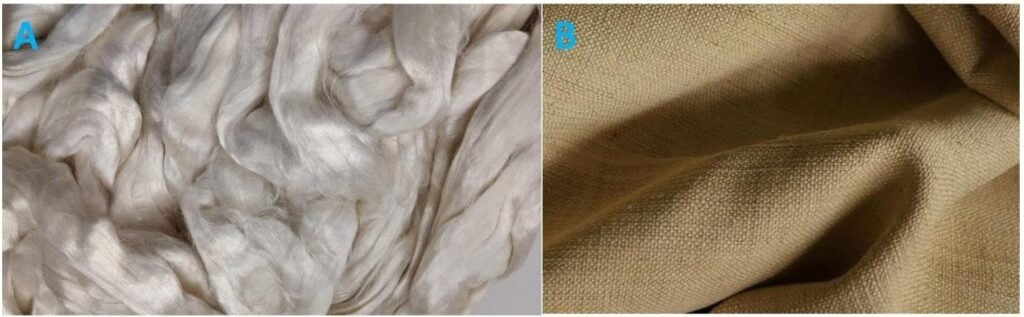
- Color: Lotus fiber is naturally creamy white in color.
- Cross section of fibre- round or oval
- Breaking tenacity is 3.44 cn/dtex, Initial modulus is 146.81 cn/dtex, Elongation at break is 2.75%
- Crystallinity index is 62
- The moisture regain is around 7%
- Thermal properties: Lotus fiber has good insulation properties, keeping the wearer warm in cold weather and cool in hot weather.
- UV resistance: Lotus fiber has natural UV resistance, providing some protection against the sun’s harmful rays.
6. Use of Lotus Fibre:
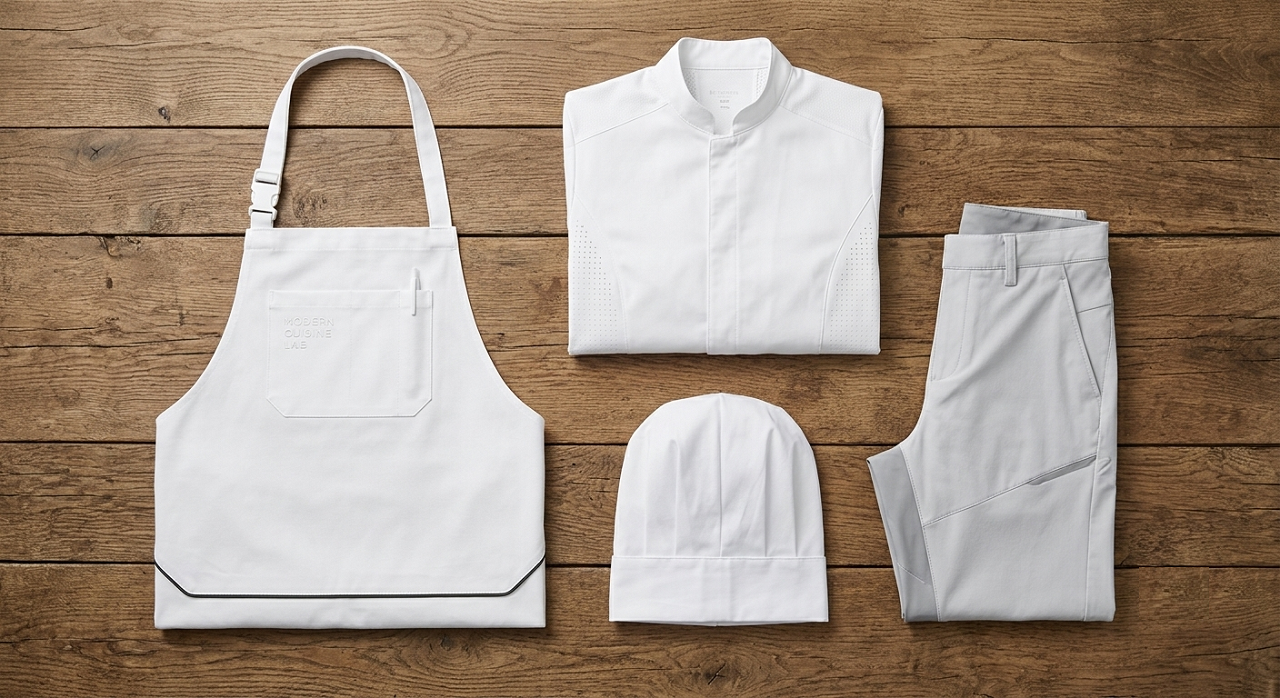
Textiles: Lotus fibre is used to make high-quality textiles, including clothing, scarves, and shawls. The fabric is lightweight, breathable, and has a soft, silky texture.
Cosmetics: Lotus fibre is used in some cosmetic products, such as face masks and lotions, due to its antioxidant and anti-inflammatory properties. [Source]
7. Conclusion
By transforming agricultural waste into high-value textiles, lotus fiber extraction represents a powerful “waste-to-wealth” opportunity that significantly boosts the economic standing of lotus farmers. This unique and versatile material, which has been used for centuries, is incredibly sustainable and durable, making it ideal for everything from everyday household items to high-end fashion accessories. While the labor-intensive nature of the extraction process classifies lotus fiber as a premium luxury material, its entirely natural and biodegradable properties offer a promising, eco-friendly alternative to synthetic fibers in the global fashion industry.
Related Article: Lotus Silk: A Sacred Luxury