

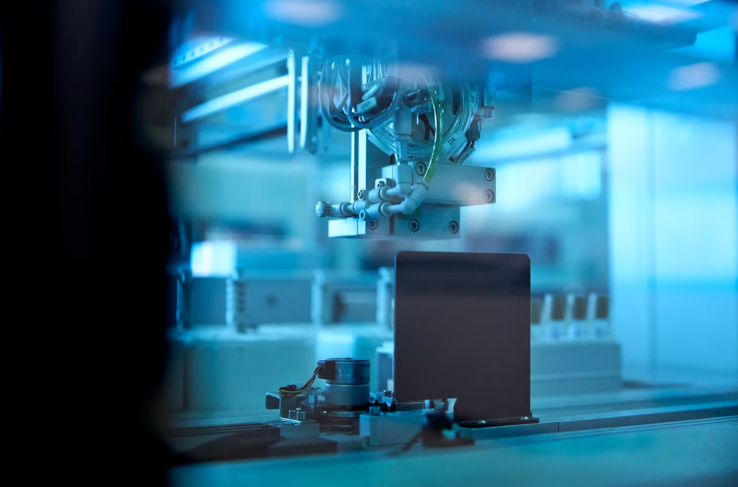
Good equipment does not always get much attention.
When everything is working properly, people simply get on with the job. A machine runs. A tool does what it is supposed to do. Nobody thinks twice about it.
Then something breaks.
Suddenly, a simple task takes twice as long. Someone has to stop what they are doing. A customer may have to wait. Deadlines start getting uncomfortable.
That is why equipment can have a much bigger effect on a business than it first appears.
The Right Tools Can Save Time
Time is one of the easiest things to waste in a workplace.
Workers might spend minutes adjusting unsuitable equipment, searching for missing tools or trying to get an unreliable machine working. One small delay may not matter much, but repeated throughout the week, those delays add up.
Better equipment can remove some of that friction.
A tool that is comfortable to use and suited to the task allows employees to concentrate on the work itself rather than fighting with what they are using.
Simple improvement. Noticeable difference.
Equipment Does Not Always Need to Be Brand New
There is a common assumption that improving equipment means buying everything new.
Not necessarily.
For some businesses, preowned equipment can provide a practical alternative, particularly when a tool is needed for occasional jobs rather than constant daily use.
Businesses looking at Own4Less preowned tools can consider whether a previously owned item could meet their needs without the cost of buying new equipment.
The important thing is to look at the condition, suitability and expected lifespan rather than simply focusing on whether something has been used before.
A preowned tool that works reliably can still be a useful tool.
Reliable Equipment Helps Employees Work Better
People notice when their equipment is unreliable.
Imagine having to stop halfway through a task because a machine keeps overheating, a battery will not hold its charge or a tool is simply not suitable for the job.
It becomes frustrating quickly.
Good equipment does not just improve productivity. It can make work less irritating.
Employees can spend more time doing what they were hired to do instead of finding temporary solutions to equipment problems.
That matters more than businesses sometimes realise.
Maintenance Should Not Be an Afterthought
Even good equipment needs attention.
Regular cleaning, inspections, servicing and proper storage can help prevent avoidable problems. A few minutes spent checking equipment can be much easier to deal with than an unexpected breakdown during a busy period.
Businesses should also keep track of recurring faults.
If the same machine needs repairing every few weeks, there may be a bigger issue. Continuing to pay for repairs without considering replacement might not make financial sense.
Look at the pattern, not just the latest breakdown.
Better Equipment Can Improve Quality
Speed is not everything.
Equipment can also affect the quality of the finished work.
A worn tool may produce inconsistent results. A machine that is difficult to control can increase the chance of mistakes. Equipment that is not suited to the job can make even skilled workers struggle.
The right equipment gives people a better chance of doing good work consistently.
And customers tend to notice the results, even if they never see the machinery behind them.
Think About What the Business Actually Needs
Buying equipment can be exciting, particularly when there is a newer model with impressive features.
But more features do not automatically make something more useful.
Before spending money, businesses should consider how often the equipment will be used, what tasks it needs to handle, who will use it and how much maintenance it is likely to require.
Sometimes the straightforward option is the better fit.
There is little value in paying for capabilities that nobody will ever use.
Small Improvements Can Change the Working Day
Equipment is only one part of a successful business, of course.
But it is an important one.
The right tools can save time, reduce frustration, support better work and help employees get through everyday tasks with fewer interruptions.
It does not always require a major investment.
Sometimes replacing one unreliable tool is enough. Sometimes better maintenance solves the problem. And sometimes a good preowned option makes more sense than buying new.
The goal is simple: give people equipment that helps them do their jobs rather than equipment that gets in the way.
That small difference can make the entire working day run more smoothly.




Leave a Reply