
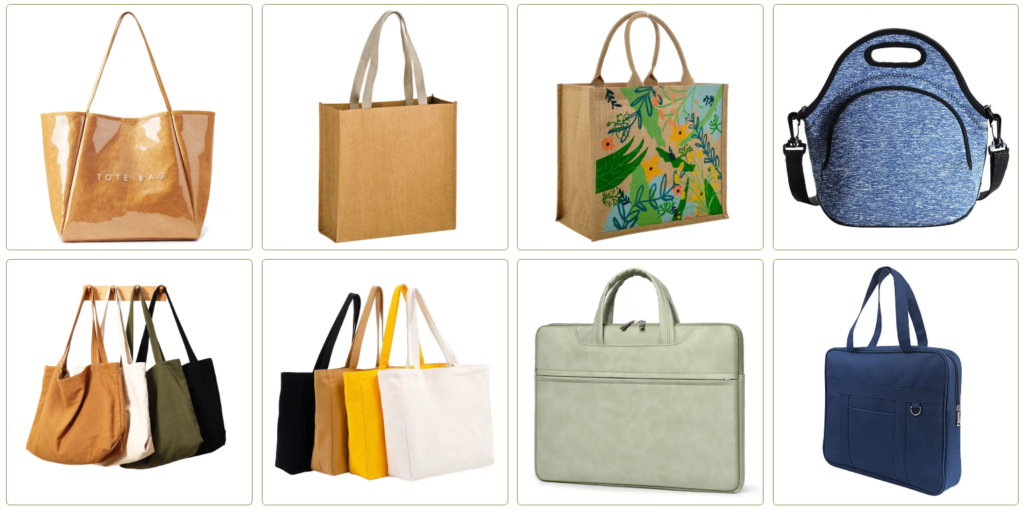
A tote bag looks straightforward: two panels, a pair of handles, perhaps a gusset. Yet small discrepancies become expensive in bulk production. A misplaced print, an uncomfortable handle drop, or a weak attachment seam can turn an acceptable sample into a disappointing order.
Reliable tote bag manufacturing starts well before cutting. Here is how the process should move from a buyer’s specification to packed, shipment-ready goods.
1. Turn the Design into a Workable Tech Pack
A reference photograph communicates appearance. It rarely provides enough information for production.
The tech pack needs to define finished dimensions, construction, materials, artwork, and packaging. For a typical tote, that means recording:
- Bag width, height, and gusset depth, where applicable
- Handle width, length, drop, and attachment position
- Fabric composition, construction, weight, and color
- Seam construction and reinforcement details
- Print dimensions, colors, orientation, and placement
- Labels, pockets, closures, and packing instructions
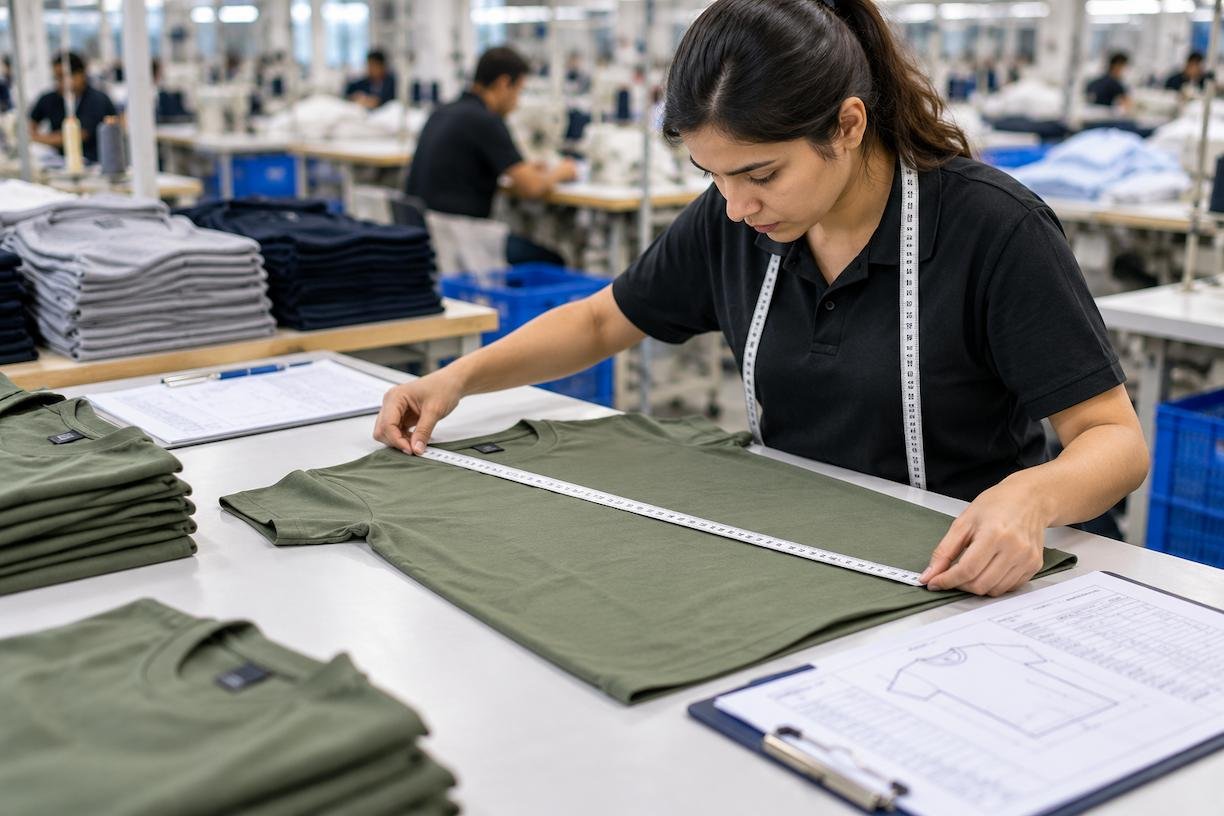
- Measurement methods and agreed tolerances
The measurement method matters. Does bag height include the bottom gusset? Is handle drop measured from the top edge to the inside of the handle?
Resolve these questions on paper. Whether a buyer is briefing Bene Bags or another tote bag manufacturer, clear specifications reduce the room for conflicting interpretations.
2. Confirm Materials Before Approving Construction (Tote Bag Manufacturing)
Fabric weight alone does not describe how a tote will perform.
Two fabrics with the same nominal weight may differ in stiffness, surface texture, weave density, and dimensional stability. Those differences affect the bag’s shape, sewing behavior, and suitability for decoration.
Review the actual fabric alongside the intended print or embroidery. A rough surface may compromise fine lettering; a lightweight fabric may need support behind dense stitching.
Check trims as well. Webbing, zippers, snaps, thread, and labels should match the approved specification and intended use.
Where washing is expected, agree on the care method and assess dimensional changes accordingly. Do not assume that every cotton tote is suitable for machine washing simply because the fiber is cotton.
3. Use the Pre-Production Sample as a Production Reference
A development sample of tote bag explores the design. The pre-production sample confirms how the approved design will be manufactured. For tote bag manufacturing, pre-production sample (also known as PP sample) is must for the following details.
It should use the intended bulk materials, trims, construction, and decoration wherever possible. Any substitution needs to be identified, with a separate approval plan for what remains outstanding.
Review the sample in three passes:
- Appearance: Check proportions, color, artwork, label placement, and symmetry.
- Construction: Examine seams, handle attachments, pocket openings, closures, and the bag’s internal finish.
- Function: Carry it, fill it, open it, and inspect how the handles and body behave under the agreed intended load.
Record comments against a dated sample reference and tech-pack revision. Keep an approved reference available to production and inspection teams.
An approval such as “looks good, proceed” leaves too much unresolved if changes are still being discussed.
4. Plan Cutting and Decoration Together
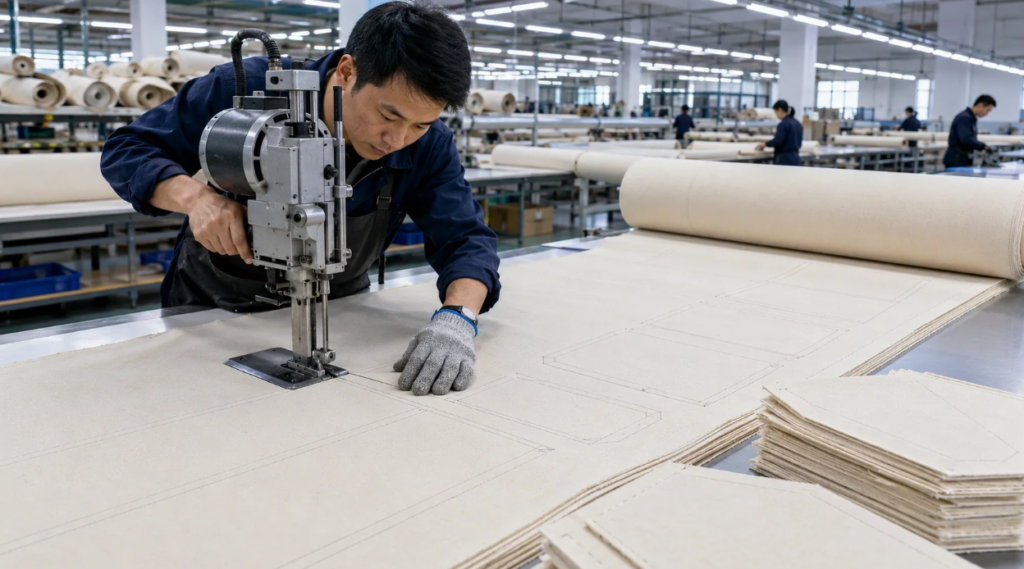
Once bulk fabric arrives, check it against the approved requirements before releasing it for cutting. Review shade variation, visible defects, usable width, and any specified material characteristics.
Cutting accuracy influences everything downstream. Unequal panels can distort the opening; inconsistent gusset pieces can make the base sit unevenly.
Decoration also affects the production sequence.
Flat-panel printing often provides easier access and placement control before assembly. Other designs may call for decoration on a finished bag. The appropriate route depends on the artwork, equipment, construction, and required finish.
Confirm registration and placement on initial pieces before processing the full batch. With screen printing, for example, ink curing must suit the ink system and substrate; a surface that feels dry is not sufficient evidence of a durable print.
5. Sew with Attention to Load-Bearing Areas
The sewing sequence of tote bag manufacturing varies with the design. A lined tote with an internal pocket requires a different assembly plan from a simple unlined promotional bag.
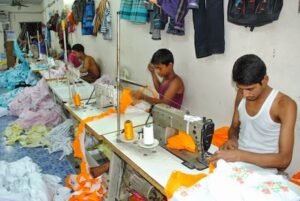
Typically, smaller components are prepared first: handles, pockets, labels, and closure parts. Panels are then assembled, gussets formed, and openings finished. When bags are made in industrial production, special machines may be for speed up production rate. But as a single machine (Single needle lock stitch machine) is enough for sewing the a tote bag, the tote bag manufacturing is done in small scale in sewing workshops with a group of operators.
Handle attachments deserve particular attention. Reinforcement should suit the fabric, handle material, construction, and expected load. A box stitch or bar tack is not automatically adequate merely because it looks substantial.
Inspect the first completed units before the line continues. Check handle alignment, stitch formation, seam allowances, and finished measurements. Early correction is far cheaper than reopening hundreds of bags.
6. Inspect During Production, Not Only at the End
Final inspection cannot replace process control.
During sewing, inspectors should watch for skipped stitches, puckering, exposed raw edges where they are not intended, uneven handles, and incorrect component placement. Decoration checks should cover appearance, position, and any agreed performance requirements.
At the finished-goods stage, compare bags with the approved sample and current specification. Verify dimensions, workmanship, functionality, labeling, and quantities.
If sampling inspection is used, agree on the sampling plan and defect classifications beforehand. Keep test methods equally explicit: load, duration, conditioning, and acceptance criteria should not be improvised after production.
7. Pack for the Journey Ahead
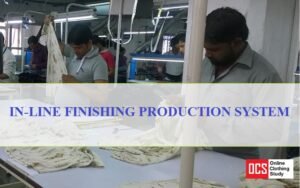
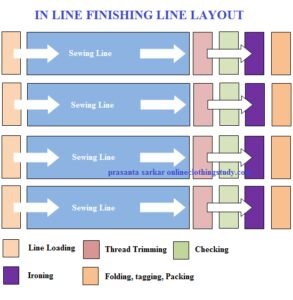
Packing begins after inspection, thread trimming, and removal of production marks.
Confirm that bags are dry and that any decoration has completed its required curing process before folding or stacking. Choose folds that avoid unnecessary creasing across prominent artwork.
Follow the approved assortment, quantity, and labeling instructions. Carton marks should allow the receiver to identify the order, style, color, quantity, and carton sequence without opening every box.
Finally, reconcile packed quantities with inspection and production records.
A well-made tote should arrive ready to use—not require sorting, relabeling, or rework at the buyer’s warehouse.
Related Post | Backpack Manufacturing Process – All That You Need to Know